






In This Article
- What emotional intelligence actually includes beyond being "sensitive" or expressive
- Why women often score higher on some emotional skills, and where that pattern comes from
- How boys and men are socialized to handle feelings differently from girls and women
- Why emotional intelligence affects love, conflict, leadership, and mental health
- What anyone can do today to build stronger emotional awareness and connection
Getting the dishes done or sorting out a forgotten plan may settle the practical issue while leaving a couple upset with each other. During the argument, a tight jaw or change in tone went unnoticed, or one partner brushed aside the sadness they heard in a joke. The person who felt hurt may still struggle to explain why, with the added frustration of feeling misunderstood. They now have that to discuss as well as the original complaint. Doing so draws on emotional intelligence as they try to understand their own feelings and each other’s.
What Emotional Intelligence Really Means
Being pleasant or agreeable tells us little about how well someone understands emotions. Emotional intelligence generally includes recognizing your own feelings, understanding them, and managing your response, along with interpreting other people’s emotions and responding with care. Constant calm is no guarantee of those abilities either. Someone who is warm and attentive to others may struggle to identify what they themselves feel. A reserved, analytical person may notice tension in a room without saying much about it.
Self-awareness, self-regulation, empathy, motivation, and social skills appear in many discussions of emotional intelligence. People can develop these abilities unevenly, which makes a single judgment about their emotional intelligence less useful than it might seem. Comforting someone else, for example, requires skills that do not necessarily help a person tolerate their own anger. Staying composed under pressure also leaves open the question of whether they notice subtle emotional cues. Any comparison between women and men needs to specify which abilities are being compared.
What The Research Suggests
When participants are asked to recognize emotions from facial expressions or tone of voice, women tend, on average, to score higher than men. Studies of empathy and sensitivity to other people, including awareness of tension in relationships, have also found an advantage for women. The results vary, however, and do not establish the same difference across every emotional skill. Asking people to assess their own abilities can produce a different comparison from testing their responses to particular situations, so the method matters when interpreting a study’s findings.
Knowing someone’s gender does not tell you whether they will notice your distress or be willing to discuss feelings. The averages leave room for emotionally perceptive men and women who avoid these conversations, with considerable variation within each group and overlap between them. Researchers can use the findings to examine differences in emotional development. Applying those findings to an individual requires information about that person’s abilities, which a group average cannot supply.
Measurement deserves particular attention here. In a self-report survey, participants assess their own emotional skills. Their answers may reflect confidence, expectations about their gender, or the image they have of themselves. A performance test instead asks them to identify an emotion or select a response to a social situation. Because these methods can produce different results, a higher score needs to be understood in relation to the task. Differences may involve ability, but also what participants have learned to notice, acknowledge, and practice.
How Socialization Shapes Emotional Skill
Being told to toughen up gives a crying boy little help figuring out what has upset him. Sending him off to do something else also cuts short a chance to talk. He may already know that adults will tolerate his anger more readily than his fear, grief, tenderness, or confusion, and keep those feelings to himself.
A girl discussing a friendship problem with an adult may be asked how she feels and what her friend needs. As they work through what happened, she gets help understanding and explaining emotions, something boys may have fewer chances to practice.

The embarrassment may persist long after the childhood reprimands stop. As an adult, someone raised to hide sadness may feel it intensely and still struggle to admit it to a partner. They may have trouble recognizing the feeling themselves or bearing it long enough to talk about it. Other people can mistake that silence for a lack of emotion without knowing how often the person was discouraged from showing sadness.
Women who have spent years naming disappointment, noticing changes in other people’s moods, and dealing with social tension have had repeated opportunities to practice those skills. A person accustomed to expressing distress through irritation, sarcasm, silence, overwork, or withdrawal has practiced different responses. This helps explain why someone can feel intensely yet struggle in an emotional conversation. The intensity of a feeling does not establish how well the person understands it or can communicate it.
Biology Plays A Role But Not The Whole Story
Researchers have also examined hormones, stress responses, and brain development as possible influences on emotional processing. Biology can affect temperament and how readily someone reacts to stress. Those influences develop alongside family relationships, culture, education, trauma, and other experiences. A person’s willingness to express emotion, for instance, may depend partly on whether doing so has brought support or ridicule. Biological explanations need to account for that experience rather than treating it as incidental.
Calling women naturally better with emotions leaves much of this development unexplained. Whatever contribution natural differences make, emotional skills can change through practice, maturity, feedback, and supportive relationships. Someone whose feelings were mocked at home may enter adulthood without skills that another person began learning in childhood. Learning them later can take considerable time. That history may help explain the difficulty without establishing a permanent limit on what the person can learn.
Why This Matters In Relationships
Many women describe becoming more frustrated with repeatedly explaining their hurt than with whatever first upset them. They are having to bring up the argument again because something remains unresolved, and it may usually fall to them to notice the tension and start the conversation. In some relationships, that same partner also remembers birthdays and recognizes worries the other has not put into words. When one person is more practiced at recognizing and discussing feelings, these responsibilities can accumulate until attending to the relationship becomes exhausting.
Caring about a partner does not necessarily mean knowing how to talk with them when something goes wrong. Someone with little practice discussing feelings may become overwhelmed or ashamed. Embarrassment may come out as anger and start another argument; hearing that they have disappointed their partner may leave them too defensive to discuss the hurt. After repeated misunderstandings, both may begin avoiding these conversations, leaving the hurts unresolved. By the time they try to talk again, they may have accumulated resentment that is harder to work through than the original disagreement.
Friends, parents, and caregivers can find themselves doing this work too, including when caring for aging parents. They notice moods, remember something said earlier that helps explain a reaction, and step in when a disagreement threatens to worsen. Everyone else may simply see people getting along and miss the effort involved. The person doing that work can become burdened by the continuing expectation that they will pay attention to how everyone feels and help keep things peaceful.
Why It Matters At Work And In Leadership
At work, emotional intelligence helps a manager notice friction between colleagues and deal with it before the rest of the team is affected. The manager also needs to be able to take criticism without becoming too defensive or overwhelmed to discuss changes. When people are under stress, decisions about their work require some understanding of how they are coping, including whether they are burned out, discouraged, or losing trust in those leading them.
Women are often expected to take on the work of mediating disagreements, mentoring colleagues, and resolving misunderstandings. Those abilities can contribute to effective leadership, yet the additional responsibilities may receive little recognition or compensation. A woman who handles one difficult conversation well may find herself expected to handle many more. Emotional competence does not remove the need for limits on her time or make her responsible for every colleague’s behavior.
Men can also benefit professionally from developing their ability to listen, negotiate, resolve conflict, and manage their reactions under pressure. Equating authority with emotional detachment can make these tasks harder. A leader needs enough awareness of their own feelings to recognize when anger or anxiety is influencing a decision, as well as enough understanding of others to hear their concerns. Feeling less is not a reliable measure of how well someone will lead.
The Cost Of Emotional Restriction For Men
A man who has learned to avoid discussing vulnerable feelings may struggle to explain loneliness or shame. He may withdraw, use sarcasm, concentrate on performance, or try to remain too busy to consider what is troubling him. Depression can also involve anger, withdrawal, or risk-taking rather than obvious sadness. When attention stays entirely on the behavior, the distress accompanying it may be overlooked.
Being able to identify grief, fear, envy, disappointment, or tenderness gives a man more ways to describe what is happening and seek appropriate help. It can also help him explain a reaction to his partner, respond warmly to his children, or address a conflict with a friend. These skills have ordinary, consequential uses. Treating them as feminine can discourage men from practicing abilities that would serve them in their own lives.
For many men, learning to discuss feelings involves stopping when they get angry to work out whether they are hurt or afraid. They are practicing how to say so honestly, without putting on a front, and deserve credit for the effort even when it remains difficult. Comparing men’s and women’s emotional abilities without accounting for that practice, or the encouragement each has received, leaves too much unexplained to call the differences natural.
What You Can Do With This Insight Today
Using research on emotional intelligence to declare one gender wiser, kinder, or more developed offers little help with a particular relationship. Your own habits provide a more useful place to begin. Consider a recent disagreement and whether you understood your feelings while it was happening or recognized them only afterward. Notice, too, how you responded when the other person described being hurt. You may be comfortable identifying your own distress but find it difficult to listen without defending yourself.
During the next tense conversation, try describing the feeling connected to the disagreement. The phrases “I felt dismissed when that happened” and “I think I am more hurt than angry right now” give the other person information that may be missing from an argument about what occurred. If someone says this to you, reflect back what you understood before explaining your response. That pause gives both of you an opportunity to check whether the feeling has been understood.
You do not have to wait for an argument to practice. In a quieter conversation, try putting a feeling into words more precisely or asking about a response you do not understand. Pay attention to reactions you might otherwise pass over. The role of practice and expectations in women’s emotional development suggests that others can learn through such opportunities too, although it takes time and leaves room for misunderstandings. Being able to explain a hurt or notice a loved one’s worry can help you understand each other with less guessing and less loneliness.
About the Author
Beth McDaniel is an ai staff writer for InnerSelf.com. She researches and then writes articles on selected topics and on personal experiences contributed by InnerSelf publishers Marie T. Russell and Robert Jennings.
Recommended Books
Emotional Intelligence by Daniel Goleman — A foundational book that explains how self awareness, empathy, and self regulation shape success and relationships.
Permission to Feel by Marc Brackett — This practical guide shows how naming emotions accurately can improve mental health, communication, and daily decision making.
The Will to Change by bell hooks — A thoughtful exploration of masculinity, love, and the emotional costs of teaching men to shut down vulnerability.
Article Recap
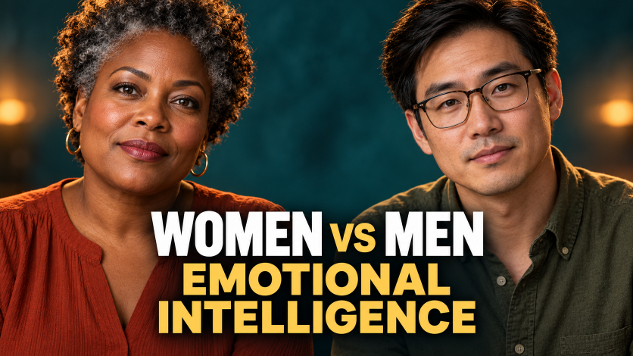
Are women more emotionally intelligent than men? Research suggests women often score higher in empathy and emotional recognition, but much of that gap appears linked to socialization, practice, and permission rather than fixed destiny. Understanding why women may seem more emotionally aware than men can improve communication in relationships, reduce emotional labor, and help anyone build stronger self awareness, empathy, and conflict repair skills starting today.
#EmotionalIntelligence #WomenAndMen #Relationships #Empathy #MentalWellBeing #PersonalGrowth #CommunicationSkills #EmotionalAwareness #SelfHelp #HealthyRelationships