Build a Family Food Reserve Without Fear or Waste
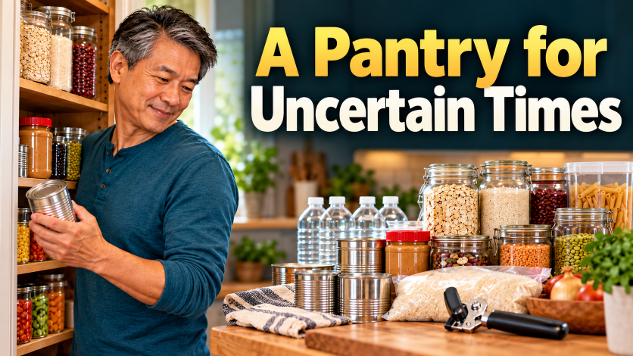
Open the cupboard and work out what you could eat tonight if you could not get to the store. Then try tomorrow. Breakfast counts too. You may have plenty of food on the shelves...

Open the cupboard and work out what you could eat tonight if you could not get to the store. Then try tomorrow. Breakfast counts too. You may have plenty of food on the shelves and still find yourself short of actual meals.

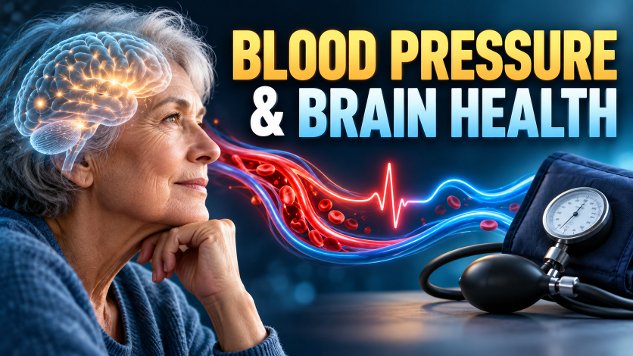
Many people fear cognitive decline as they age, often linking it with dementia. However, research indicates that low blood pressure, particularly diastolic levels, could significantly contribute to cognitive impairment. By identifying and addressing low blood pressure, there may be potential to mitigate age-related cognitive decline and improve brain health.

Air conditioning feels like a necessity, but it is actually one of the most energy-intensive habits in the modern home, and it is making summers hotter for everyone. Before you reach for the thermostat, consider that there are proven, often ancient, methods for keeping a house cool that cost almost nothing and work with physics rather than against it. Understanding how heat actually moves changes everything about how you design your life in summer.

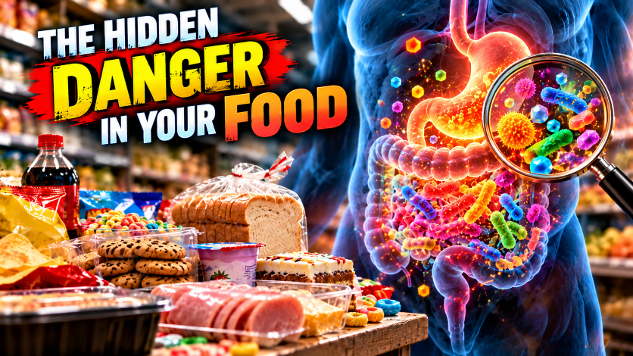
You flip over a package of crackers, squint at the ingredient list, and feel that familiar sinking feeling — the one where you recognize maybe three things out of twenty. You tell yourself it's probably fine, toss it in the cart, and move on. But somewhere in the back of your mind, a quiet question lingers: what exactly are you eating, and why does it matter?

Fiber doesn't have to come from a pill, powder, or boring bowl of bran. Some of the most delicious foods we already enjoy are naturally rich in fiber. From berries and avocados to lentils, nuts, whole grains, and even popcorn, increasing your fiber intake can be about adding pleasure rather than taking foods away. Here's how to make a high-fiber diet something you actually look forward to eating.

The story of Tim and Maggie illustrates the importance of generosity and the dangers of scarcity mindset. As people hoard their 'Warm Fuzzies,' they create a culture of coldness and fear. This narrative warns against the consequences of withholding kindness and encourages a return to an abundant, giving spirit.
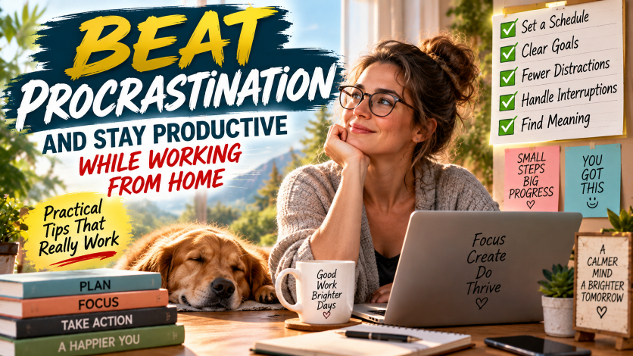
Working from home can initially feel liberating, but distractions and lack of structure often lead to procrastination. Implementing evidence-based strategies like creating a clear work schedule, tackling task uncertainty, and planning for interruptions can significantly enhance productivity. Understanding the importance of your work can further motivate you to stay focused and engaged.

Dillon's transformative journey begins with the traumatic loss of his father and the guilt he carries. As he grapples with confusion and despair, a chance encounter with Sage, a wise elder, offers him an opportunity for healing and self-discovery in the serene mountains. This narrative explores the profound impact of grief and the search for identity.

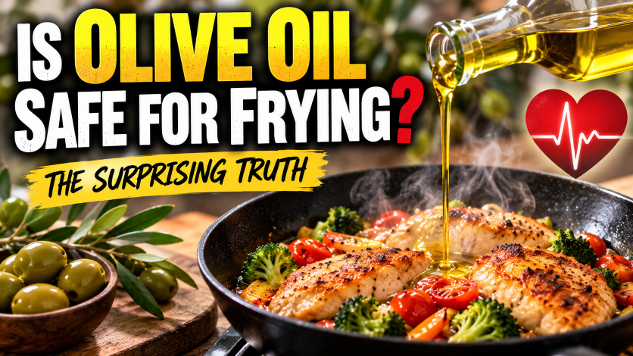
Recent discussions suggest that frying with vegetable oils may produce harmful aldehydes, potentially linking them to diseases like diabetes and heart disease. However, olive oil, a staple of the Mediterranean diet, shows promise as a safer option. Research indicates it generates fewer aldehydes when heated compared to other oils, making it a preferable choice for frying.

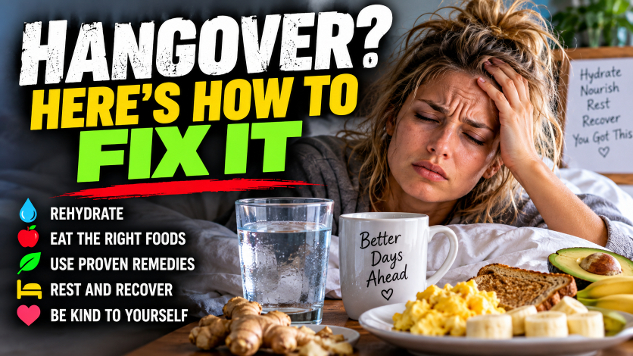
You swore you'd stop after two glasses, and yet here you are, staring at the ceiling at 7am with a head full of regret and a stomach that has opinions. Hangovers are one of those universal experiences that nobody brags about surviving, but almost everyone has faced. The good news is that your body is not broken, and there are real, practical ways to help it bounce back faster.

New research reveals that while yoga can exacerbate wrist, elbow, and shoulder pain, particularly with poses like downward dog, it also shows promise in alleviating low back and neck pain. This complex relationship between yoga and musculoskeletal issues highlights the importance of mindful practice and communication with health professionals.

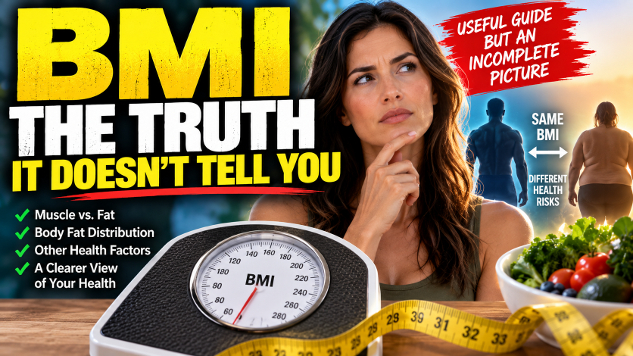
Body Mass Index (BMI) has been a traditional measure of health, but it has significant limitations in accurately assessing an individual's health risks. While it provides a quick estimate of obesity, it fails to account for body fat distribution and does not differentiate between fat and muscle. Understanding these limitations is crucial for better health assessments.

Most people assume that running harder means running better, but the science disagrees in ways that should make every fitness enthusiast pause. Slow jogging is a low-intensity running method that has quietly transformed public health culture in Japan, and its principles challenge nearly everything mainstream fitness culture tells you about effort and results. If you have ever quit a running program because it felt too brutal too fast, this framework was built for exactly that problem.

You wake up and the day already feels heavy before it has even started. You are not in crisis, not falling apart, but something is off in a way that is hard to explain to anyone who has not felt it. That gray, low-grade flatness is one of the most common and most overlooked mental health experiences there is, and it has a name: mild depression.

You are sitting outside at a summer barbecue, not a care in the world, and within minutes you are slapping your arms like you are auditioning for a one-person percussion show. Meanwhile, the person next to you has not been touched once. Sound familiar? It turns out mosquitoes are not just annoying — they are picky, and there is actual science behind why they keep choosing you.

Starting a new exercise program can lead to burnout or injury if not approached correctly. Incorporating just 20 minutes of brisk walking can enhance brain function, reduce cravings for junk food, and help maintain a healthy diet. Understanding the relationship between exercise, stress, and food choices is essential for achieving weight loss goals.

Regular exercise not only enhances physical health but also significantly improves brain function and emotional well-being. By understanding the neurobiological impacts, individuals can better appreciate how activities like dancing, boxing, or walking contribute to mental health, potentially reducing symptoms of anxiety and depression while fostering social connections.
Minimalism is gaining traction as a lifestyle choice that emphasizes reducing possessions to enhance personal well-being and sustainability. Interviews with minimalists reveal motivations ranging from happiness and reduced stress to ethical consumption and environmental concerns. This article delves into the personal benefits and broader implications of adopting a minimalist lifestyle.

Most of us have used AI as a smarter search engine, a faster typist, or a tireless explainer of things we half-understood. But something shifts when the AI stops being a stranger you have to brief every single time and starts being a system that actually knows your history, your projects, and how you think. That shift changes everything about what the technology can do for you.

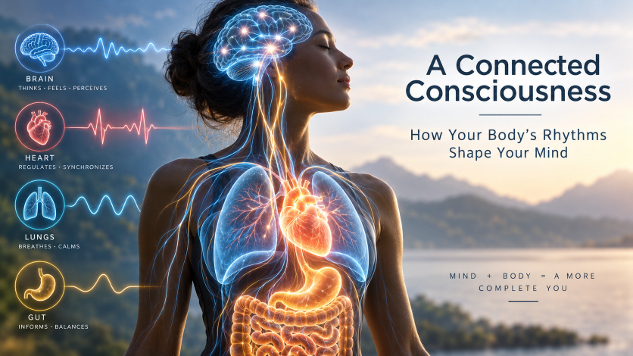
Most of us were taught that the brain is the seat of consciousness, the lone command center running the show while the body simply follows orders. But a growing body of research is dismantling that picture entirely, revealing that what you experience as awareness, selfhood, and feeling is the product of an ongoing back-and-forth between your brain and the rhythms pulsing through your body every second of every day.

Recent discussions suggest that frying with vegetable oils may produce harmful aldehydes, potentially linking them to diseases like diabetes and heart disease. However, olive oil, a staple of the Mediterranean diet, shows promise as a safer option. Research indicates it generates fewer aldehydes when heated compared to other oils, making it a preferable choice for frying.